

glass wall panels exterior
Understanding Standard Pin Gauges Essential Tools in Precision Measurement In the realm of precision engineering, accurate measurement is paramount. One of the essential tools used for this purpose is the standard pin gauge. Pin gauges are widely utilized in various sectors, including manufacturing, quality control, and mechanical engineering, to ensure that components meet stringent tolerances and specifications. In this article, we will explore the significance of standard pin gauges, their design, applications, and best practices for utilization. What is a Standard Pin Gauge? A standard pin gauge is a cylindrical rod, typically made of high-carbon steel or stainless steel, designed to check the size or diameter of holes and slots in various materials. These gauges come in standard sizes, which can be used to determine whether the measurements of a component fall within specified tolerances. Pin gauges are available in both go and no-go variants, allowing users to confirm that a hole is correctly sized. The go gauge should fit into the hole, while the no-go gauge should not. Design and Construction Standard pin gauges feature a simple yet effective design. They are usually formed into a set of rods, each varying in diameter, and are often calibrated to high standards to ensure precision. The ends of these gauges are often ground to a fine finish to provide a clear, accurate measurement. Additionally, some pin gauges might be coated or treated to enhance durability and resistance to wear. The sizes of pin gauges are standardized, with increments in diameter typically available from just a fraction of a millimeter up to several millimeters. This standardization ensures compatibility across different industries and sectors, making it easy for engineers and quality control personnel to communicate and understand specifications. Applications of Standard Pin Gauges Standard pin gauges have a variety of applications across different fields 1. Quality Control In manufacturing environments, pin gauges play a crucial role in quality assurance. They are used to verify that components meet dimensional specifications, helping to ensure that manufactured parts fit together correctly. 2. Assembly Processes During assembly, pin gauges can be employed to check for proper alignment and fitting of parts. This is particularly important in industries such as automotive and aerospace, where precision is critical. standard pin gauge 3. Toolmaking Toolmakers often use pin gauges to ensure that tooling and dies are manufactured to correct specifications. This is essential for ensuring the overall quality of production processes. 4. Calibration Pin gauges can also serve as reference standards used to calibrate other measuring instruments, helping maintain accuracy in various measurement systems. Best Practices for Using Standard Pin Gauges For effective utilization of pin gauges, consider the following best practices - Storage Always store pin gauges in a protective container to prevent damage. Moisture, dust, and other environmental factors can lead to degradation in accuracy and performance. - Cleaning Regularly inspect and clean pin gauges to remove any dirt or contaminants. This will help maintain their precision and extend their lifespan. - Calibration Checks Periodically check the calibration of your pin gauges against known standards to ensure ongoing accuracy. This is particularly important in high-precision environments. - Usage Technique When using a pin gauge, ensure that you insert it gently into the hole without forcing it. Forcing can lead to false readings or damage to both the gauge and the workpiece. - Go/No-Go Concept Always employ the go/no-go approach to facilitate quick and effective assessments of measurement tolerances. This method simplifies the process of determining whether a component is suitable for its intended application. Conclusion Standard pin gauges are indispensable tools in the field of precision measurement. Their simplicity, accuracy, and versatility make them suitable for a wide array of applications across different industries. Understanding how to use these gauges effectively can significantly enhance quality control processes and ensure that manufacturing meets high standards of precision and accuracy. By adhering to best practices for storage, cleaning, and calibration, users can maximize the utility and lifespan of pin gauges, contributing to overall operational efficiency. In a world where precision is crucial, standard pin gauges stand out as a reliable ally in achieving excellence in measurement.
about
glass wall panels exterior
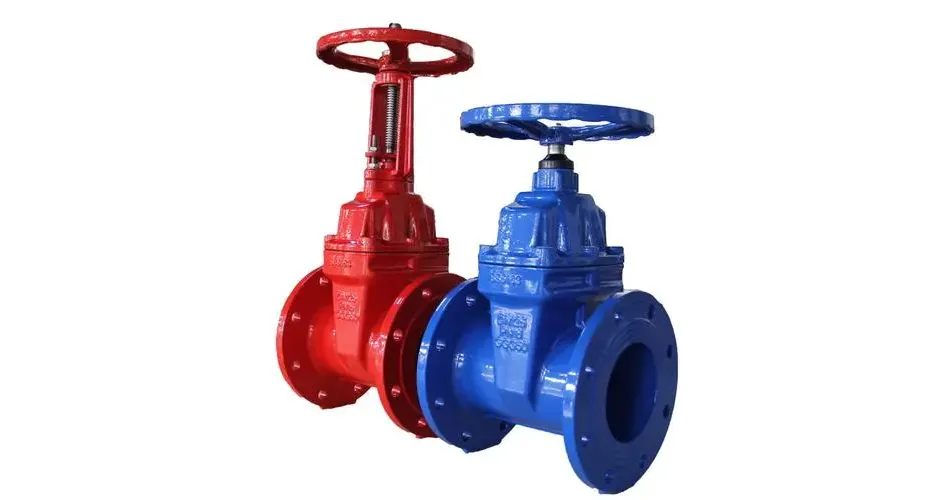
Understanding the Pricing of 100mm Gate Valves Gate valves play a crucial role in various industrial applications, particularly in regulating the flow of liquids and gases in pipelines. Among the many sizes and types available, the 100mm gate valve is a popular choice for both residential and industrial settings due to its balance of size, performance, and cost-effectiveness. In this article, we will explore the pricing factors associated with 100mm gate valves, including materials, manufacturing processes, and market demand. Material Considerations The material of a gate valve significantly influences its price. Common materials used for 100mm gate valves include brass, cast iron, stainless steel, and carbon steel. Each material comes with its range of properties and price points. For example, brass and stainless steel variants tend to be more expensive due to their superior resistance to corrosion and wear, making them suitable for applications involving aggressive fluids. On the other hand, a cast iron gate valve might be less costly but may not hold up as well in certain environments—thus, leading to higher maintenance costs over time. Manufacturing Processes The manufacturing process also contributes to the overall pricing of 100mm gate valves. Valves may be produced using casting, forging, or machining methods, each with its implications for both quality and cost. Casting is typically more economical for mass production, while forging is a preferred method for applications that require enhanced strength. The complexity of the design and the precision required in production can also impact the final selling price. Valves that incorporate advanced features, such as automated controls or specialized seals, will typically command higher prices. Market Demand and Supply Chain Dynamics 100mm gate valve price Market demand plays a pivotal role in setting the price of 100mm gate valves. Industries such as oil and gas, water treatment, and construction have specific needs for such valves, and fluctuations in demand can lead to price volatility. For instance, during periods of heightened infrastructure development or industrial expansion, the demand for gate valves may surge, leading to increased prices. Moreover, the global supply chain dynamics can further impact pricing. Factors such as transportation costs, tariffs, and the availability of raw materials can contribute to price variations. A disruption in supply chains, as witnessed during global crises, can lead to shortages, thereby elevating prices. Comparative Shopping and Cost-Effectiveness When considering purchasing a 100mm gate valve, it is advisable to conduct comparative shopping. Prices can vary significantly among manufacturers and suppliers, largely based on brand reputation, quality, and customer service. While it may be tempting to opt for the lowest-priced option, consumers should weigh the overall value, including the longevity and reliability of the valve, which can impact long-term costs. Many suppliers also offer bulk purchase discounts, which can further reduce the cost per unit. Additionally, warranties and after-sales support are critical factors to consider, as they can provide peace of mind and safeguard your investment. Conclusion In summary, the pricing of 100mm gate valves is influenced by a multitude of factors, including material choice, manufacturing processes, market demand, and supply chain dynamics. Understanding these elements can empower buyers to make informed decisions that balance cost with quality and performance. Whether for residential, commercial, or industrial applications, investing in the right gate valve at a fair price can lead to enhanced efficiency and reliability in fluid management systems.
-

High quality industrial productsagement

High quality industrial products
View Details -

Meet the diverse needs of customers

Meet the diverse needs of customers
View Details -

Strict quality control

Strict quality control
View Details -

Top raw materials

Top raw materials
View Details -

Trusted supplier

Trusted supplier
View Details
Our application
news and information
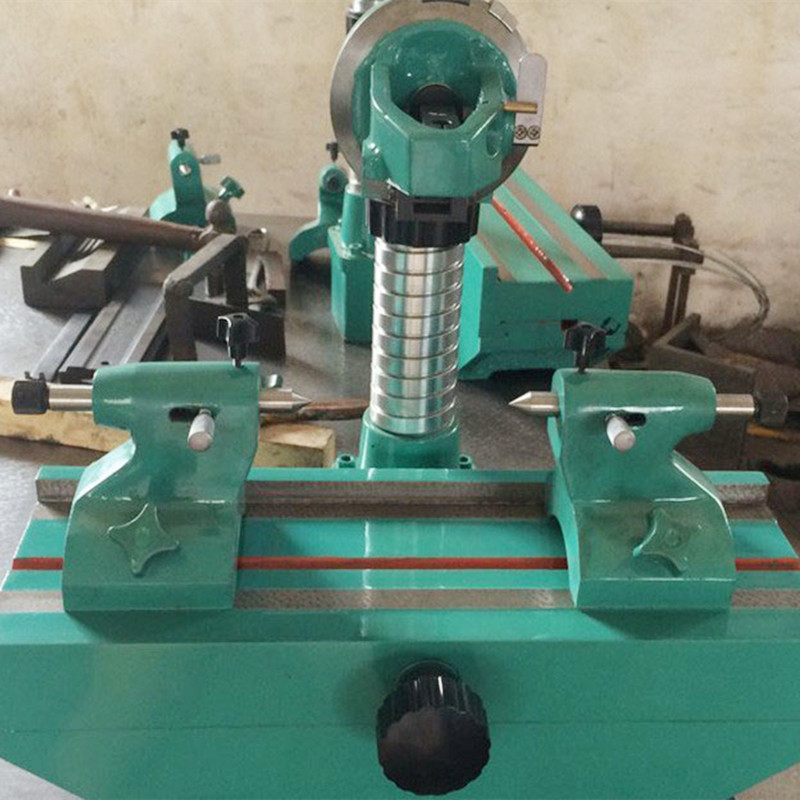
Using a Horizontal Spirit Level for Accurate Measurements in Construction Projects
Understanding the Horizontal Spirit Level A Guide to Precision and Accuracy In the realms of constru
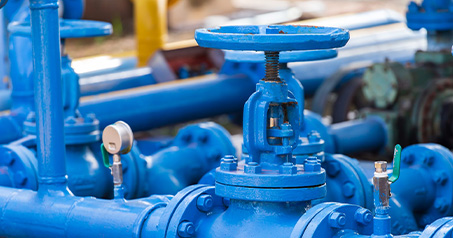
válvula de retenção de água unidirecional
Válvula de Retenção de Água Unidirecional Funcionamento e Aplicações As válvulas de retenção de água
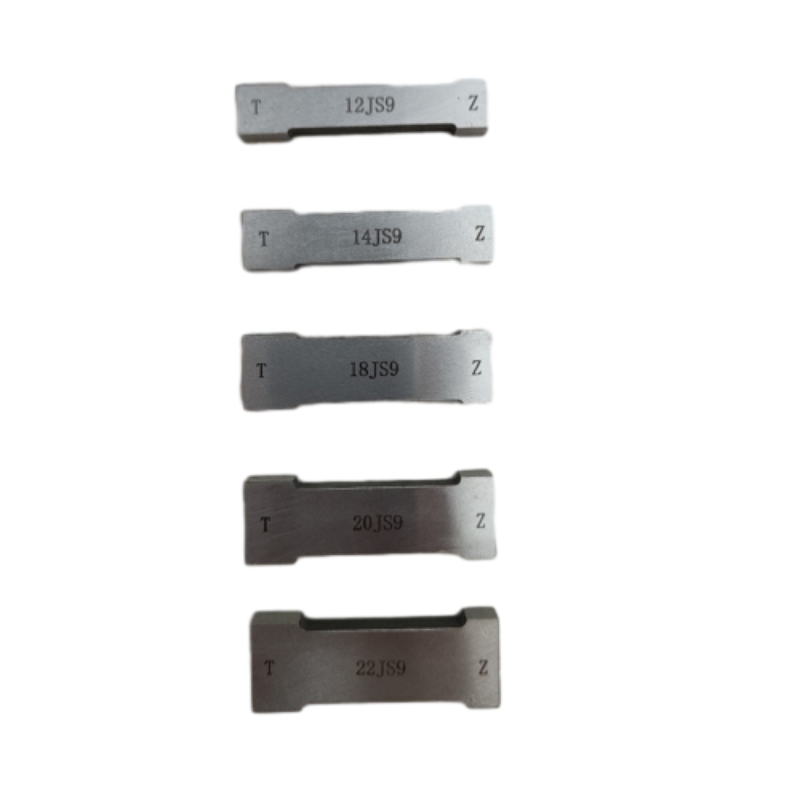
Y Type Strainer Filter for Efficient Fluid Filtration Solutions
Understanding Y-Type Strainer Filters A Comprehensive Guide In various industrial applications, main
 English